Production Chain
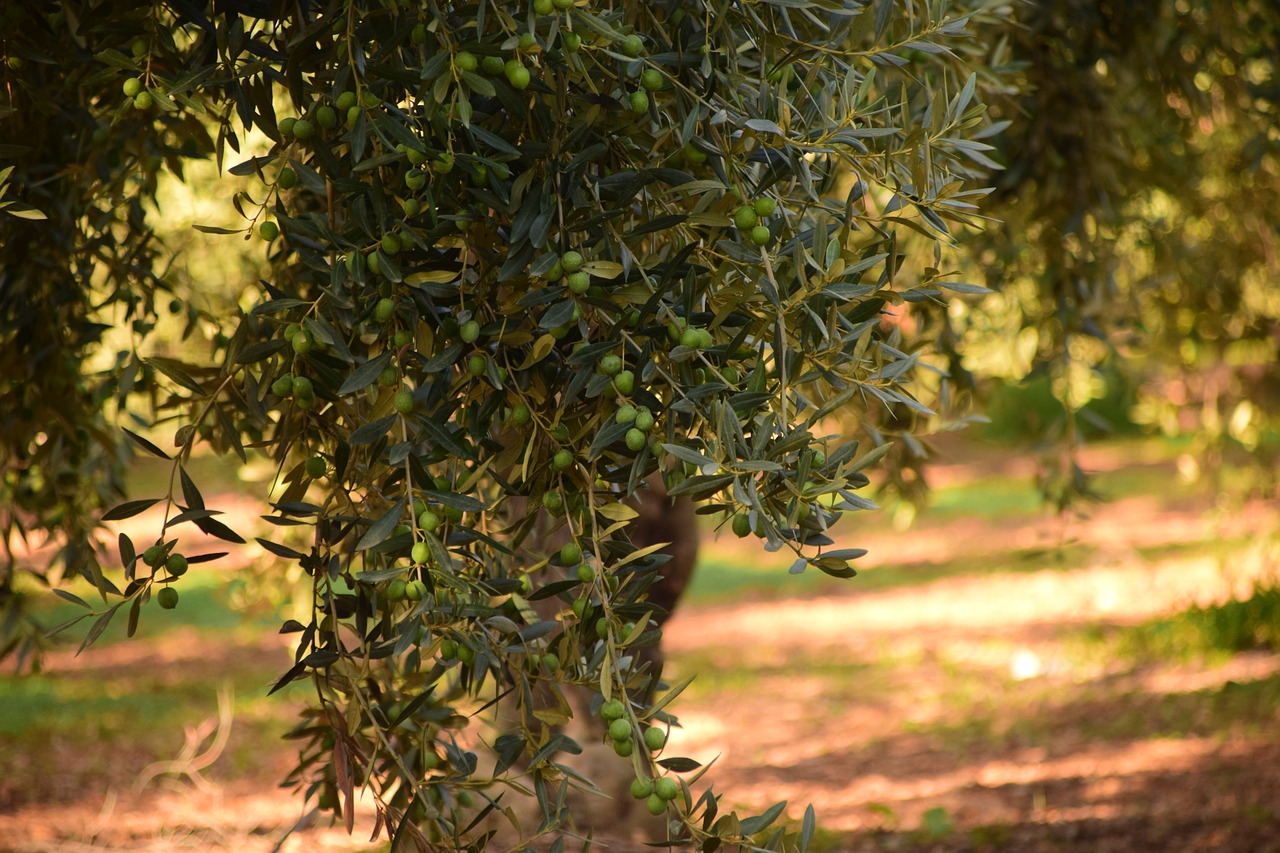
The centuries-old olive trees are guardians of memory, a precious asset to be kept in order to pass on its message to posterity. Their fruits are precious and bring with them unparalleled flavors, which is why in Italy the figure of centuries-old olive trees is part of the national olive-growing heritage of which Sicily holds unique examples in the world.
Pruning
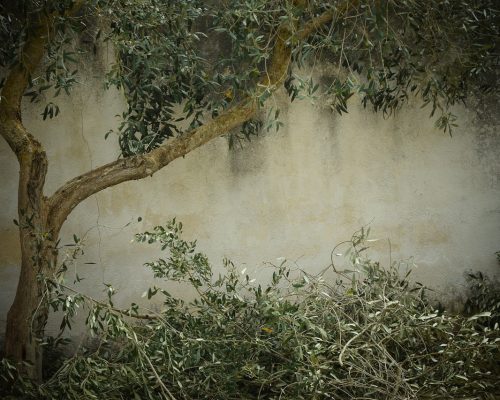
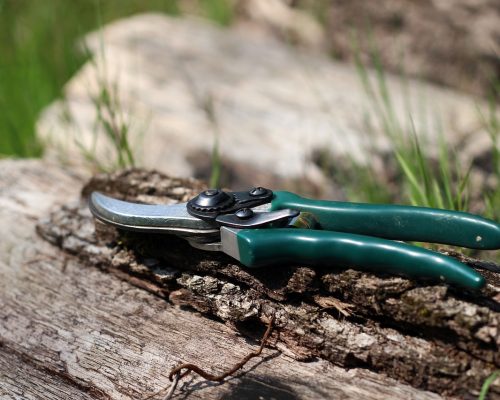
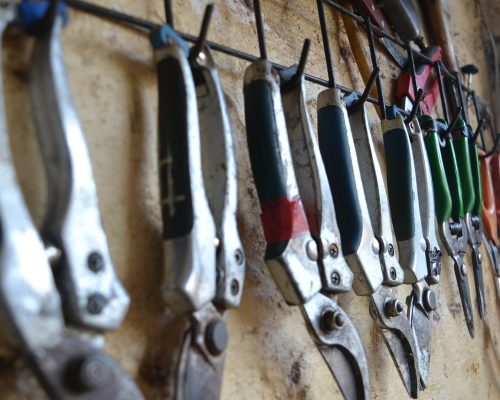
The olive tree in production can be pruned at two different times of the year, in winter with the main pruning between January and March, the so-called “dry pruning” and in the summer with the “green pruning” which essentially consists in cutting secondary branches that arise from the main non-fruiting ones that often grow luxuriantly and steal nourishment from the plant and hinder the passage of light into the inner part of the canopy. It is not recommended to prune during the production phase, following the harvest the cold arrives immediately and since the olive tree particularly suffers from any cuts during periods of frost, it is advisable to start the pruning phase in February-March. However, it is necessary to prune before the flowering period.


Flowering
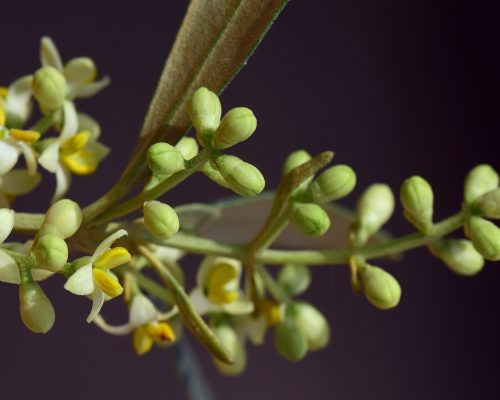
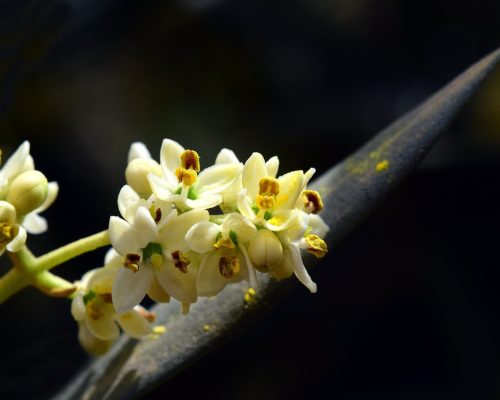
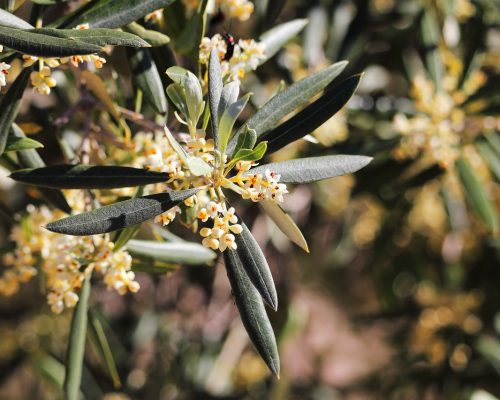
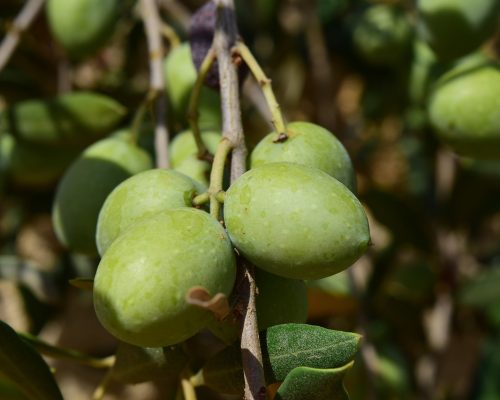
In spring, between April and May, the flowering of the olive tree begins, a very delicate phase that determines the progress of the oil campaign. This is a complex phase, in which meteorological and environmental variables play a crucial role. Temperature changes or dry winds, in fact, can seriously jeopardize the entire seasonal production. On the branches appear many small white flowers. At the beginning of summer, you can witness the fall of the corolla of the flowers and the transformation of the fertilized flowers into fruits, this is the fruit setting phase. Also in this case there are several factors that influence this process. The pollination of flowers is one of these, but also the climatic conditions and the presence of parasites should not be underestimated. The first olives appear on the branches and continue to develop throughout the summer.


Harvest
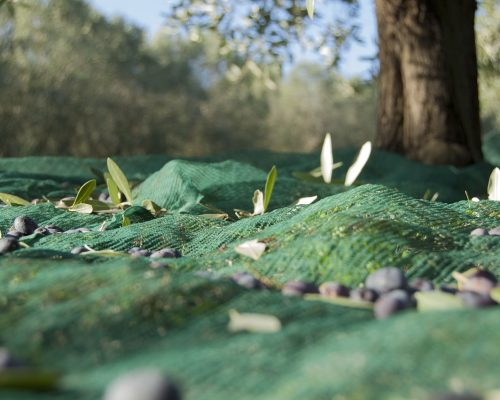
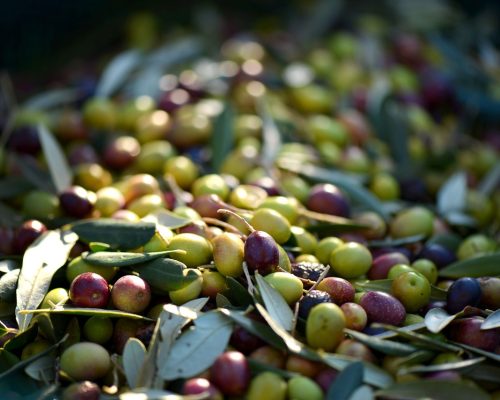
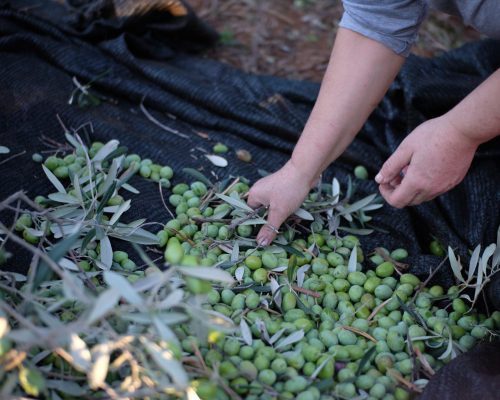
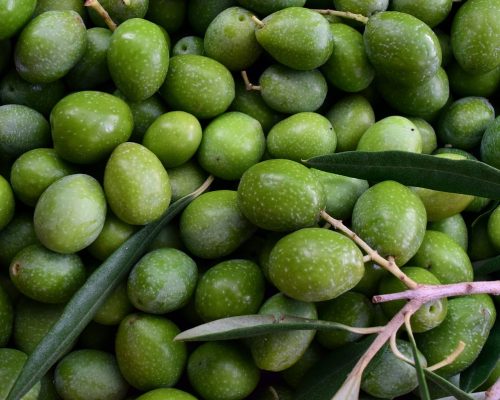
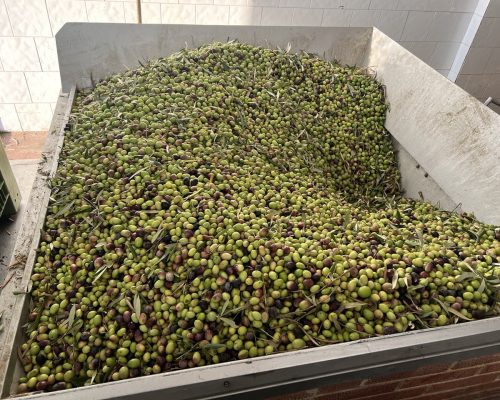
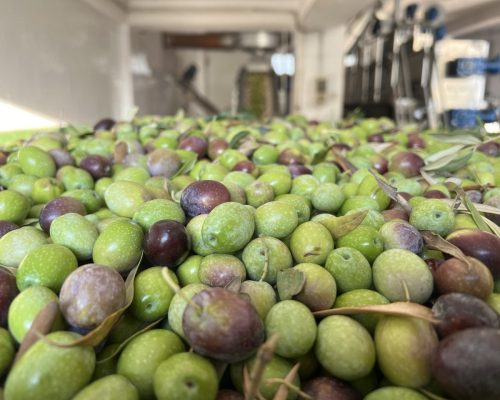
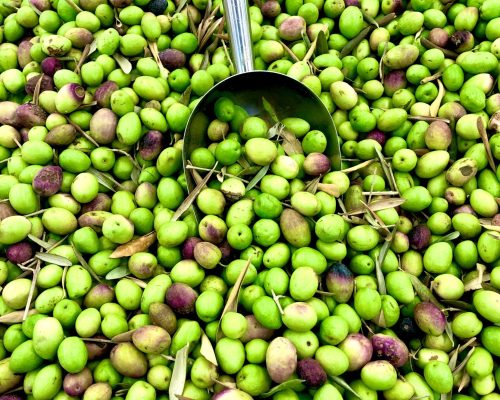
The olive harvest takes place between October and November, when the olives are still green and give the resulting oil a fruity flavor. However, there are variables to take into account or factors to take into account, such as climatic factors, the type of olives and their intended use. The olives are harvested with the utmost attention and care to preserve their integrity. The harvest is carried out by stripping with the help of combs, and by shaking. Once harvested, the olives are transported, on ventilated crates, to the mill and pressed within 24 hours of harvesting.


Milling
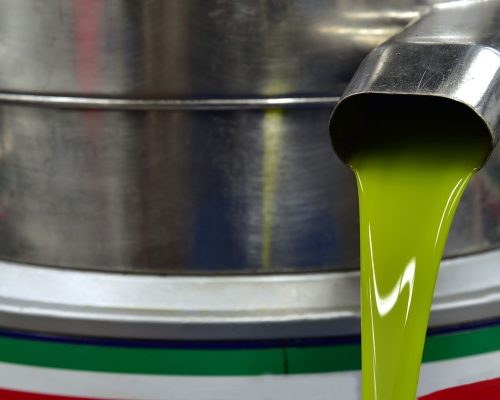
The first phase of the olive processing process in the mill is the defoliation through which branches and leaves are eliminated which would negatively modify the organoleptic properties of the oil. The milling, kneading and extraction phases follow. During the milling phase the olives are compressed to create an olive paste, in which the oil and the aqueous part are still mixed. Through the malaxing phase, which consists of a slow and continuous mixing of the olive paste, it is possible to break the water-oil emulsion and reunite the droplets of oil in increasingly larger drops. The temperature of the malaxing plays a crucial role, precisely the lower the temperature (generally we stick to a range that goes from 27 ° to 30 ° degrees when it comes to cold pressing), the better the quality of the oil will be, leaving the organoleptic properties of the fruit are intact. However, as the temperature increases, the percentage of yield is higher, but at the expense of quality. Our olives, always following the principle of quality, are exclusively cold pressed. The extraction phase of the oil must follows. It has the purpose of separating the emulsion from the solid phase called pomace and finally separates the water from the oil which, having a lower density, will resurface on the surface. At this point the oil is immediately bottled, to preserve the taste and quality of the freshly squeezed oil.